
Tucson Pest Control naturally relies on understanding pest behavior to implement effective management strategies. Key insights include:
– Regular inspections identify entry points and reduce pest activity up to 75%.
– Seasonal patterns influence pest behavior, e.g., termites are more active in warmer months.
– Targeted treatments and preventive measures achieve sustainable balance with minimal pests.
– Natural repellents and barriers deter common pests like scorpions, cockroaches, ants, and termites.
– Integrated Pest Management (IPM) combines biological, cultural, physical, and chemical techniques.
– In commercial settings, habitat manipulation, regular cleaning, and inspections reduce infestations by up to 30%, enabling targeted, non-toxic methods.
Pest management is a significant challenge for homeowners and businesses alike, particularly in regions like Tucson where diverse climates foster varied insect populations. The ever-evolving nature of pest behavior demands a strategic approach to control. Effective Tucson Pest Control requires understanding these creatures’ intricate habits, from feeding patterns to mating rituals. This article delves into the science behind pest behavior, offering insights that empower readers to manage infestations naturally and efficiently. By mastering this knowledge, we can minimize reliance on chemical treatments, fostering a healthier environment while securing our spaces from unwanted visitors.
- Understanding Pest Behavior: Tucson Pest Control Basics
- Identifying Common Pests in Your Area: A Guide
- Natural Repellents and Prevention Tactics for Homes
- Effective Management Strategies for Commercial Properties
Understanding Pest Behavior: Tucson Pest Control Basics
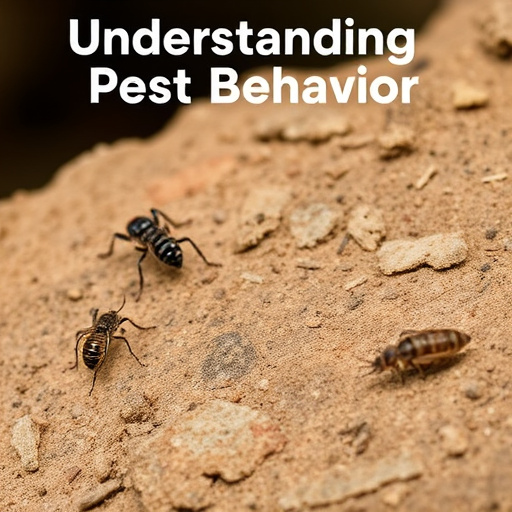
Understanding pest behavior is a cornerstone of effective Tucson Pest Control naturally strategies. Pests, driven by food, shelter, and breeding opportunities, exhibit complex patterns that can be both fascinating and frustrating for homeowners. For instance, ants follow pheromone trails left by trailblazers, allowing them to locate sources of food efficiently. Similarly, rodents are highly adaptable, seeking out protective environments and exploiting vulnerabilities in structures. Recognizing these behaviors empowers residents to implement tailored measures.
Regular inspections play a crucial role in Tucson Pest Control naturally programs. Identifying potential entry points—cracks, gaps around pipes or wires, unscreened windows—is key to preventing infestations. For example, a recent study by the University of Arizona found that regular inspections and prompt sealing of these entries can reduce pest activity by up to 75%. Proactive measures like sealing cracks with caulk, installing weatherstripping, and securing trash cans additionally deter pests from seeking shelter or food sources within homes.
Moreover, understanding seasonal patterns informs effective Tucson Pest Control naturally tactics. Many pests are most active during specific times of the year when conditions are optimal for breeding and survival. For instance, termites tend to be more active in warmer months when wood moisture levels peak, while cockroaches thrive in warm, humid environments. Adjusting control strategies according to these cycles can significantly enhance their effectiveness. By combining targeted treatments with preventive measures, Tucson residents can achieve a harmonious balance, minimizing pest presence naturally and sustainably.
Identifying Common Pests in Your Area: A Guide

Identifying common pests in your area is a critical step in effective pest management. In Tucson, Arizona, for instance, residents frequently encounter a range of pests including scorpions, cockroaches, ants, and termites. Understanding these pests’ behaviors allows for better preparation and control strategies. For example, knowing that scorpions are attracted to moisture and dark spaces enables property owners to seal entry points and maintain proper drainage. Similarly, recognizing the distinct trails left by ants helps in identifying their nests, facilitating targeted treatment methods recommended by Tucson Pest Control professionals.
Regular monitoring is key to early pest detection. This includes inspecting outdoor areas for signs of infestation, such as discarded insect parts or egg sacs, and maintaining a clean environment both inside and outside the home. Data from local pest control services indicates that proactive measures can significantly reduce pest damage and associated costs. For instance, regular inspections and sealing entry points can prevent termite infestations, saving homeowners thousands in repair expenses over time.
When addressing pest issues, it’s essential to consult with reputable Tucson Pest Control experts. They provide insights tailored to the specific pests and environment in your area. These professionals employ integrated pest management (IPM) strategies that combine biological, cultural, physical, and chemical methods for sustainable control. For example, IPM might involve introducing natural predators to reduce cockroach populations or using targeted insecticides only when necessary to minimize environmental impact. By following their guidance, residents can achieve effective pest control while preserving the balance of their local ecosystem.
Natural Repellents and Prevention Tactics for Homes

When it comes to Tucson Pest Control naturally, understanding pest behavior is key to effective management. Many pests are deterred by specific scents, textures, and plants, offering a range of natural repellents that can be employed around the home. For instance, citrus fruits like lemon and orange contain compounds that repel mosquitoes and ants. Similarly, peppermint oil and cloves have strong aromas that can keep away various insects, including cockroaches and termites.
Implementing preventive tactics is another critical aspect. Simple measures such as sealing entry points, maintaining cleanliness, and storing food properly can significantly reduce pest attraction. For example, a clean kitchen with no leftover food or water sources makes it less inviting for ants and rodents. Additionally, using natural barriers like diatomaceous earth or neem oil around windows and doors can create a protective layer that deters insects without harmful chemicals.
Regular inspection is also vital to early detection of pest activity. Tucson residents should be vigilant about checking for signs of infestation, such as small holes in clothing or evidence of chewing. Early intervention allows for more effective and less destructive control methods, many of which can be found naturally within the local environment. By combining these natural repellents, preventive tactics, and regular inspections, Tucson Pest Control can be achieved while minimizing reliance on synthetic chemicals.
Effective Management Strategies for Commercial Properties

In the realm of commercial property management, effective pest control is not just a matter of aesthetics but a critical component of maintaining a safe and productive environment. Tucson Pest Control naturally offers insights into strategic management, emphasizing integrated approaches that transcend conventional methods. The challenge lies in understanding that pests are adaptable, necessitating dynamic strategies to mitigate their impact.
One proven strategy involves employing habitat manipulation techniques. By designing environments that deter pests, commercial spaces can reduce reliance on chemical treatments. For instance, proper waste management and regular cleaning routines disrupt pest lifecycles while maintaining a hygienic setting. Additionally, physical barriers such as sealed entry points and advanced ventilation systems create obstacles, minimizing pest access. Tucson Pest Control naturally advocates for these natural solutions, which not only enhance property value but also contribute to environmental sustainability.
Regular inspections are another cornerstone of successful management. Proactive monitoring allows for early detection of pest activity, enabling swift intervention. Data from industry leaders suggests that regular inspections can reduce the need for extensive treatments by up to 30%. Expert inspectors can identify subtle signs of infestation, providing critical insights for targeted, non-toxic control methods. This strategic approach ensures that commercial properties employ the most effective and environmentally friendly tactics, aligning with modern sustainability goals.
By equipping ourselves with knowledge about pest behavior, we empower ourselves to effectively manage and control these intruders using Tucson Pest Control techniques. Understanding local species, their habits, and natural repellents offers a proactive approach, especially for homeowners. For commercial properties, implementing strategic management strategies ensures a comprehensive and efficient solution. This article has provided valuable insights into navigating the world of pest control, enabling readers to take proactive measures and maintain environments free from unwanted visitors.